Hetty Henley
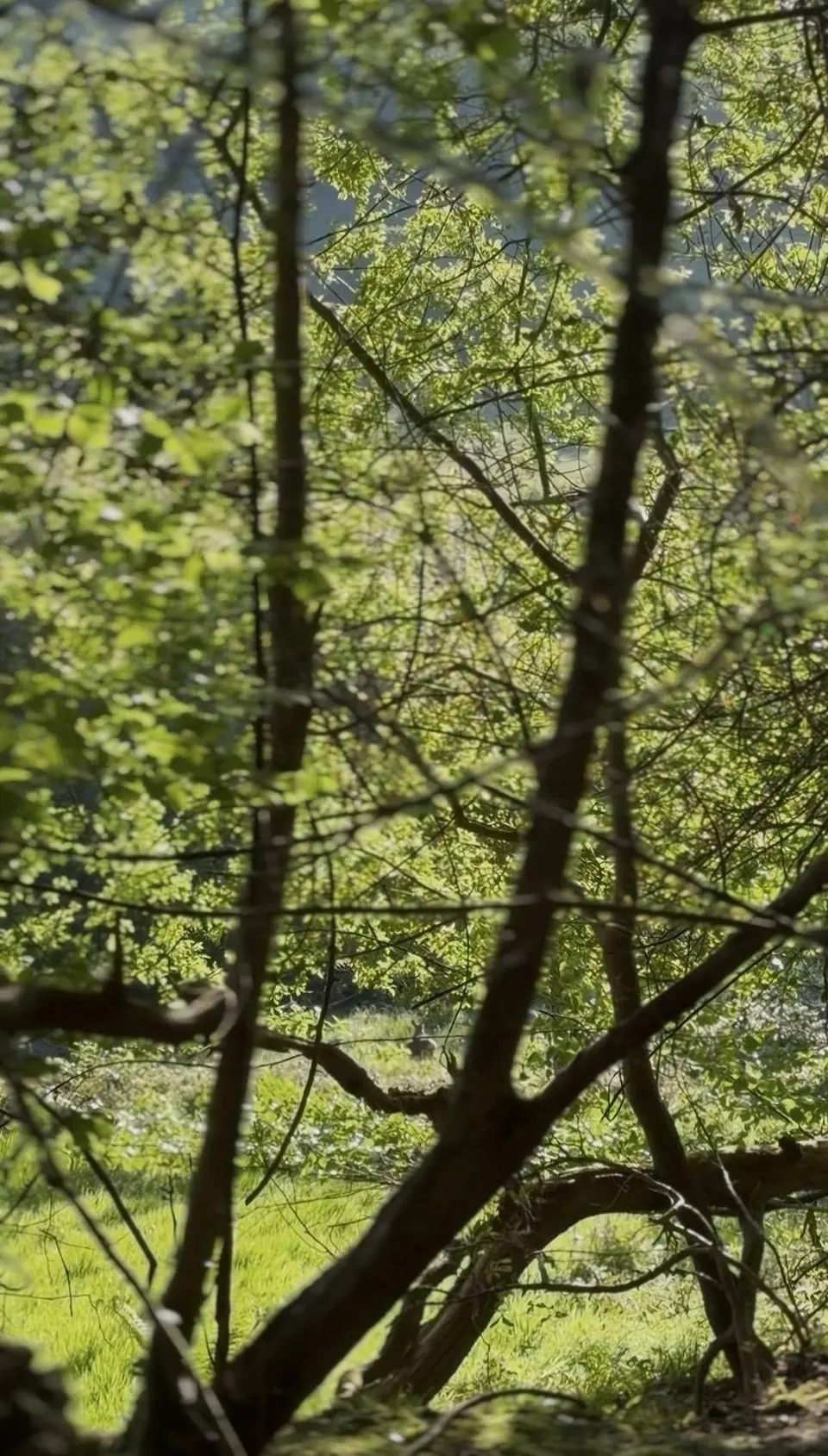
Sunlight through the trees at Knapp Woods

Knapp Woods, Widworthy, East Devon

Fourteen acres of ancient woodland

In 2025 we moved to Knapp Woods: an old gamekeeper’s cottage surrounded by fourteen acres of ancient woodland. It is a place we are only beginning to understand: its paths, trees, wildlife and the long history held within it.

How we found it

The bluebells came first

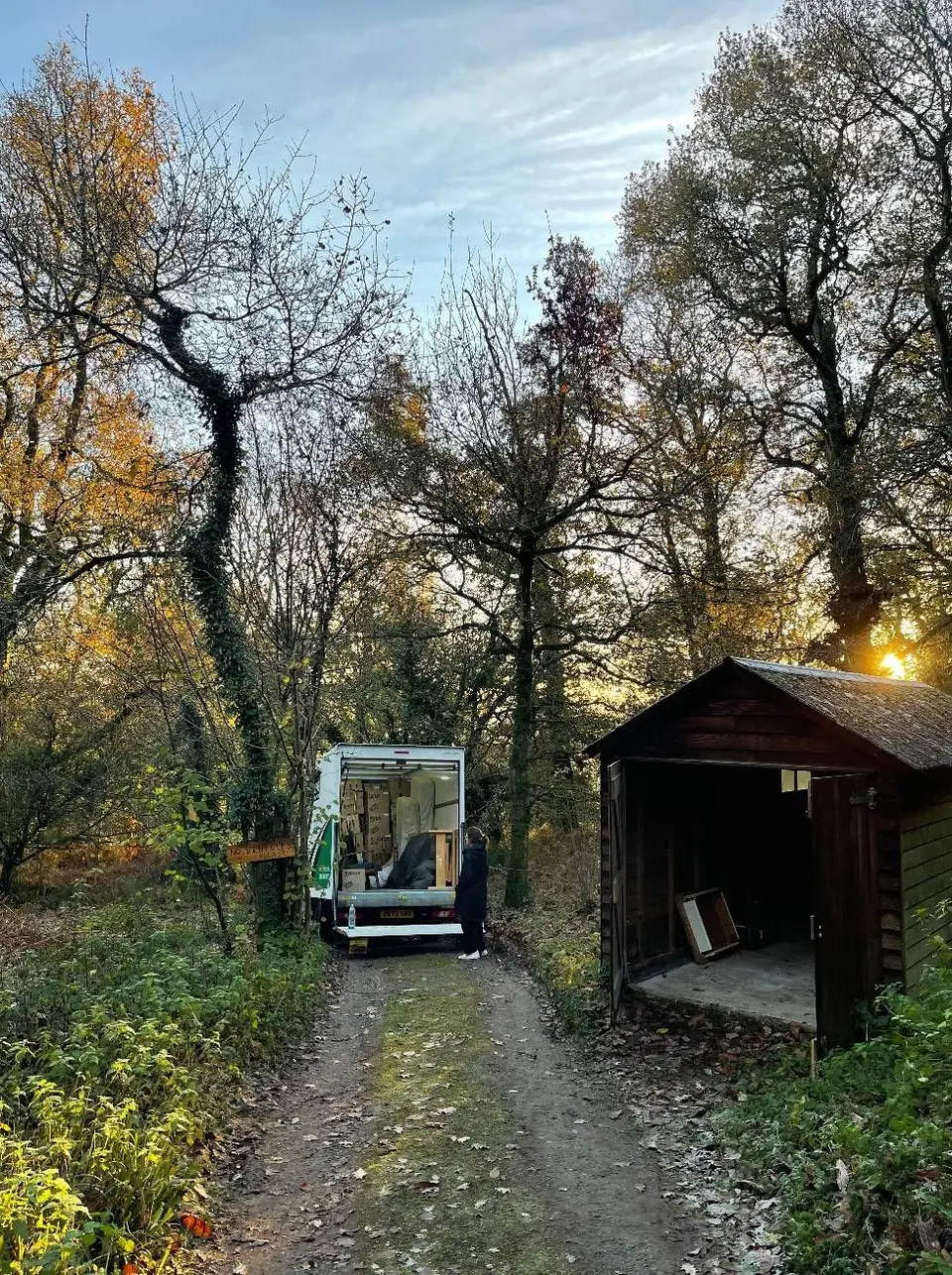
We drove down from Oxfordshire the week after Ben found it. The lane narrowed, the bluebells came, and a small stone sign read ‘Knapp Cottage’. I wrote about it in two letters.

What’s here

The cottage, the wood and everything in between

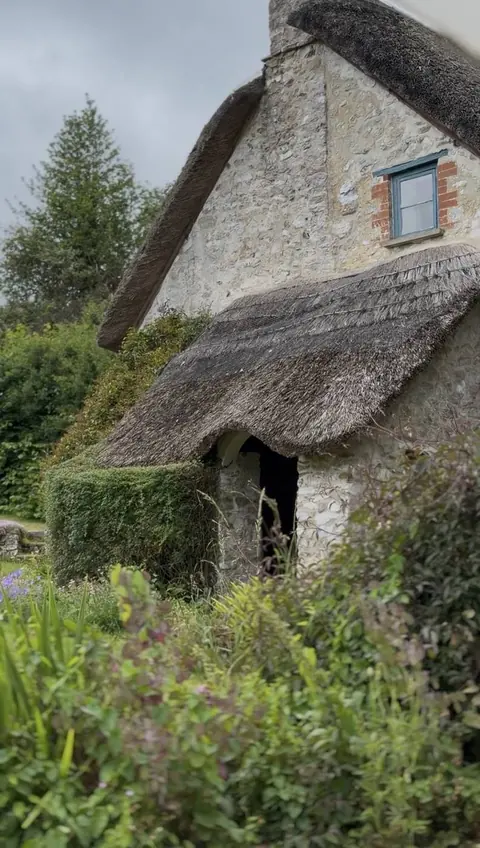
The thatched cottage at Knapp Woods

Knapp Cottage

A Grade II listed gamekeeper’s cottage, around four hundred years old. There’s no central heating: apart from the electricity, everything runs on wood, and a wood-fired Rayburn cooks our food and heats the water. Swallows nest in the porch every summer.
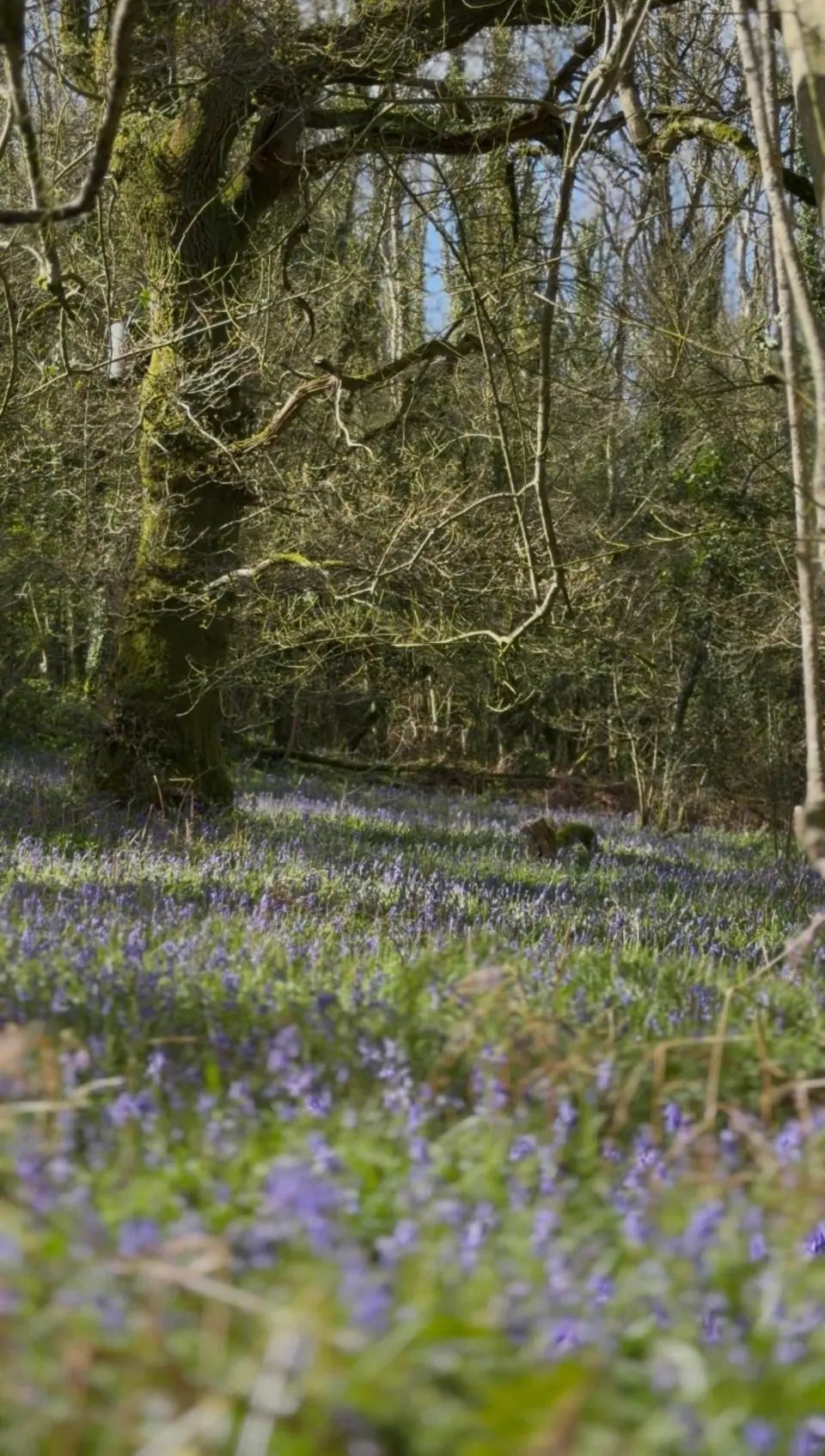
Bluebells under the trees at Knapp Woods

The wood

Fourteen acres of ancient woodland, with veteran and ancient trees, a bluebell wood in spring and a corner of temperate rainforest, thick with lichens, moss and ferns.

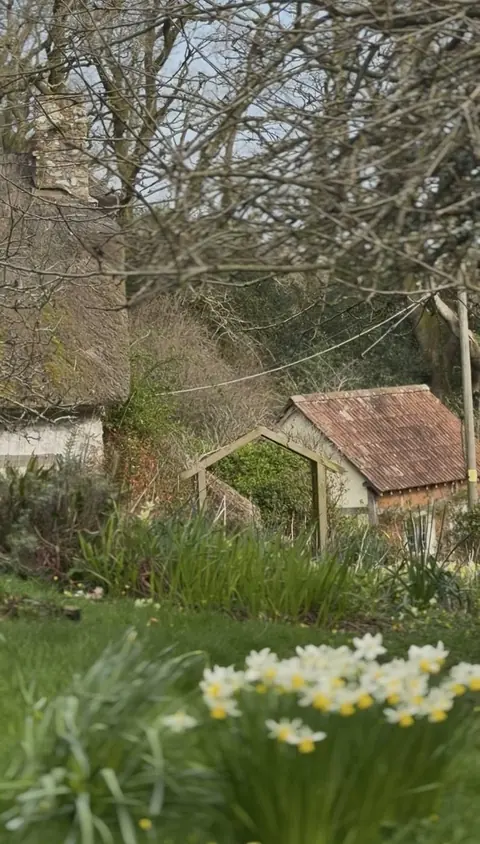
Daffodils by the outbuildings at Knapp Cottage

The garden and the meadow

A meadow, a kitchen garden with its potting shed, a workshop, a tool shed and a small library, all set around the cottage.

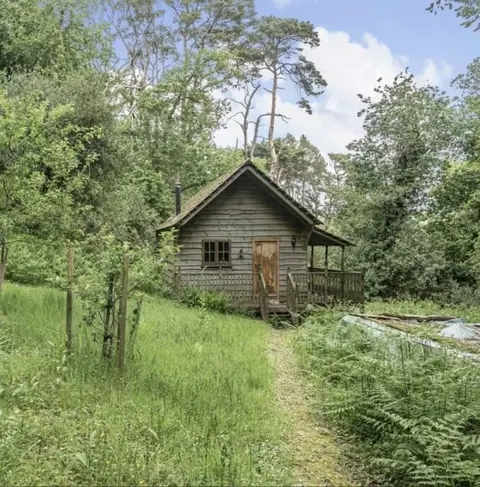
The wooden cabin in the middle of the wood

People in the wood

A wood is never truly wild. There’s an old quarry, and a hand-built cabin in the middle of the trees.

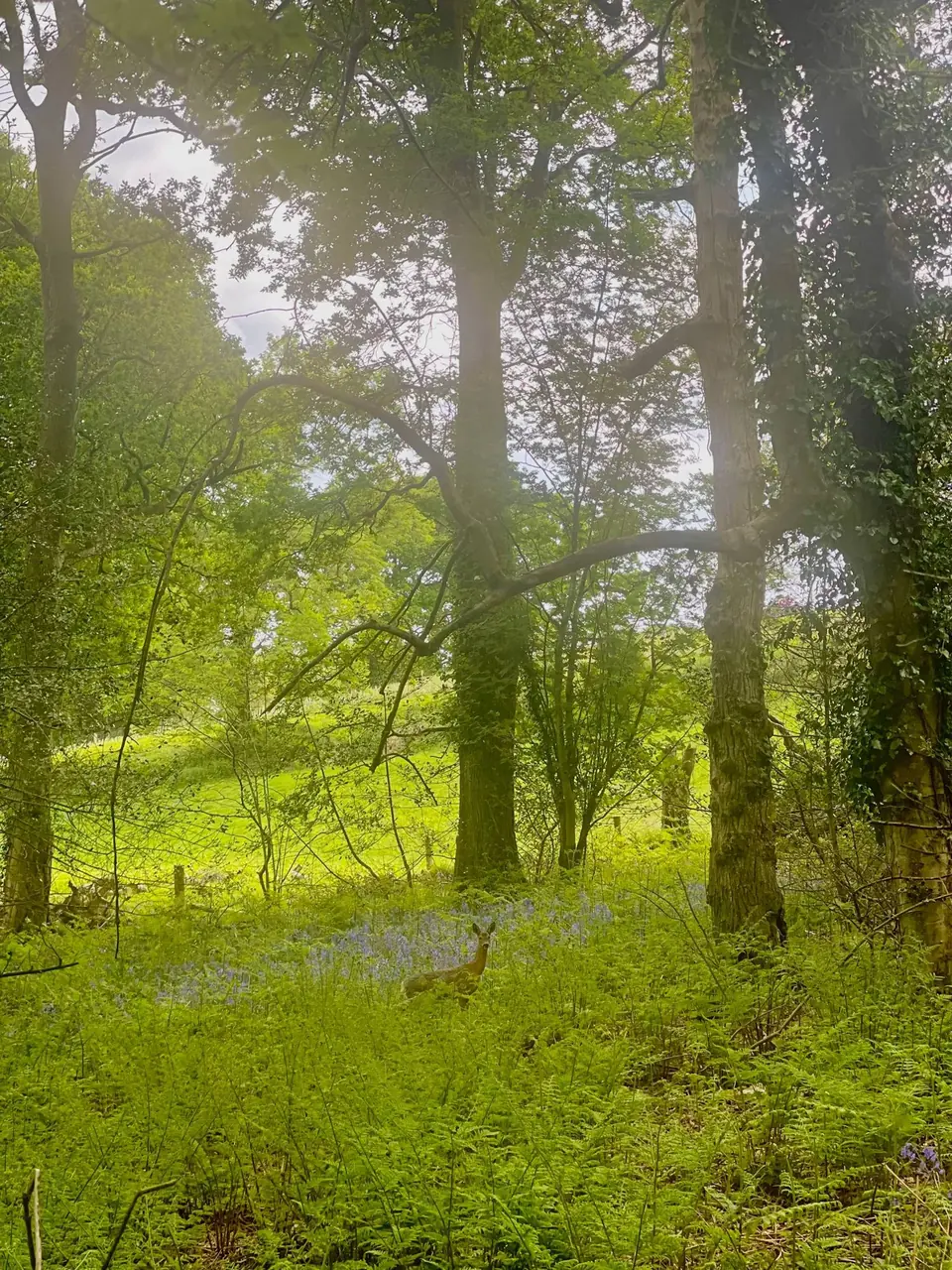
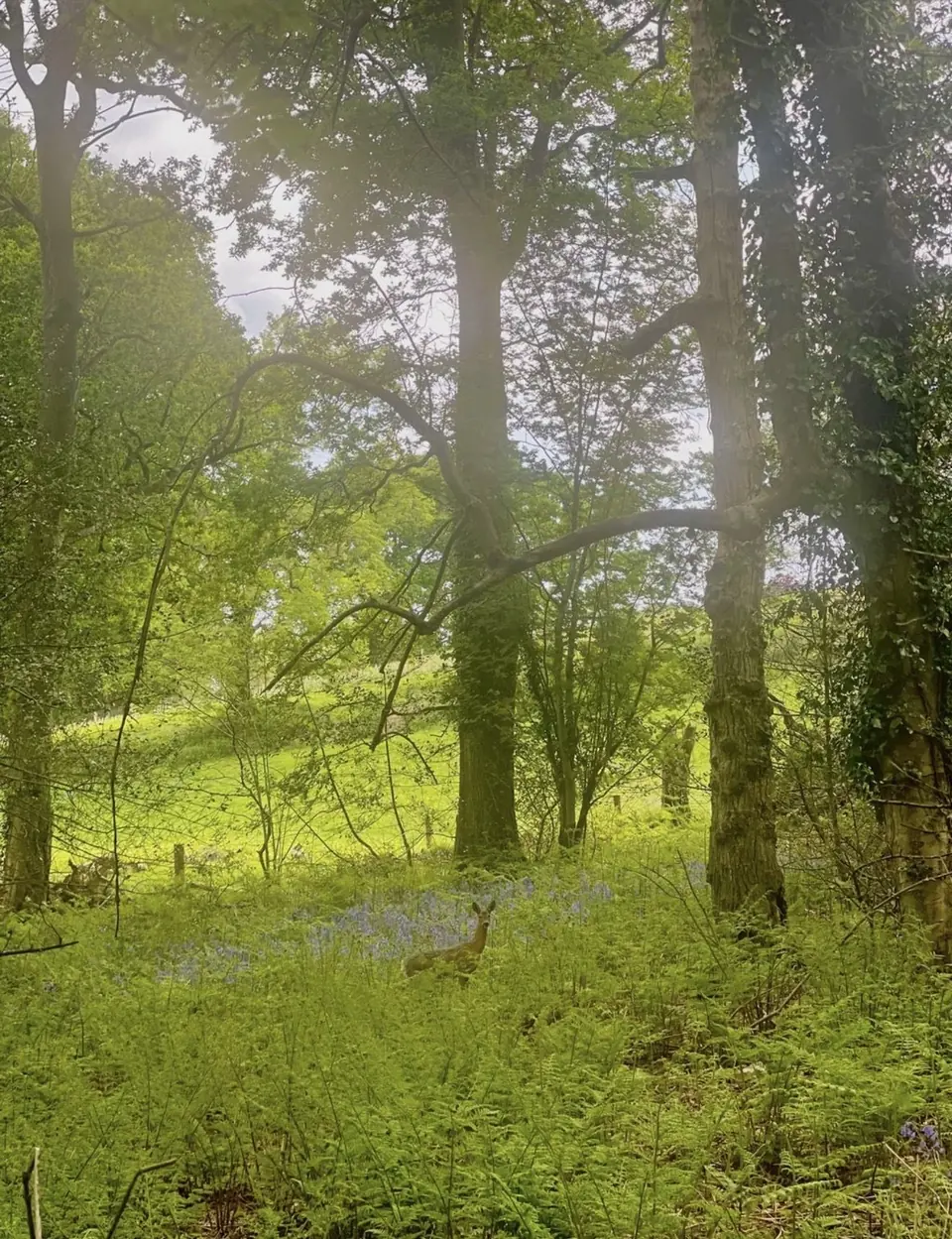
A deer among the trees at Knapp Woods

Who else lives here

Roe deer, badgers, swallows and bats, including Bechstein’s bats, among the rarest in Britain. A large nursery box put up for them still hangs on one of the old oaks.

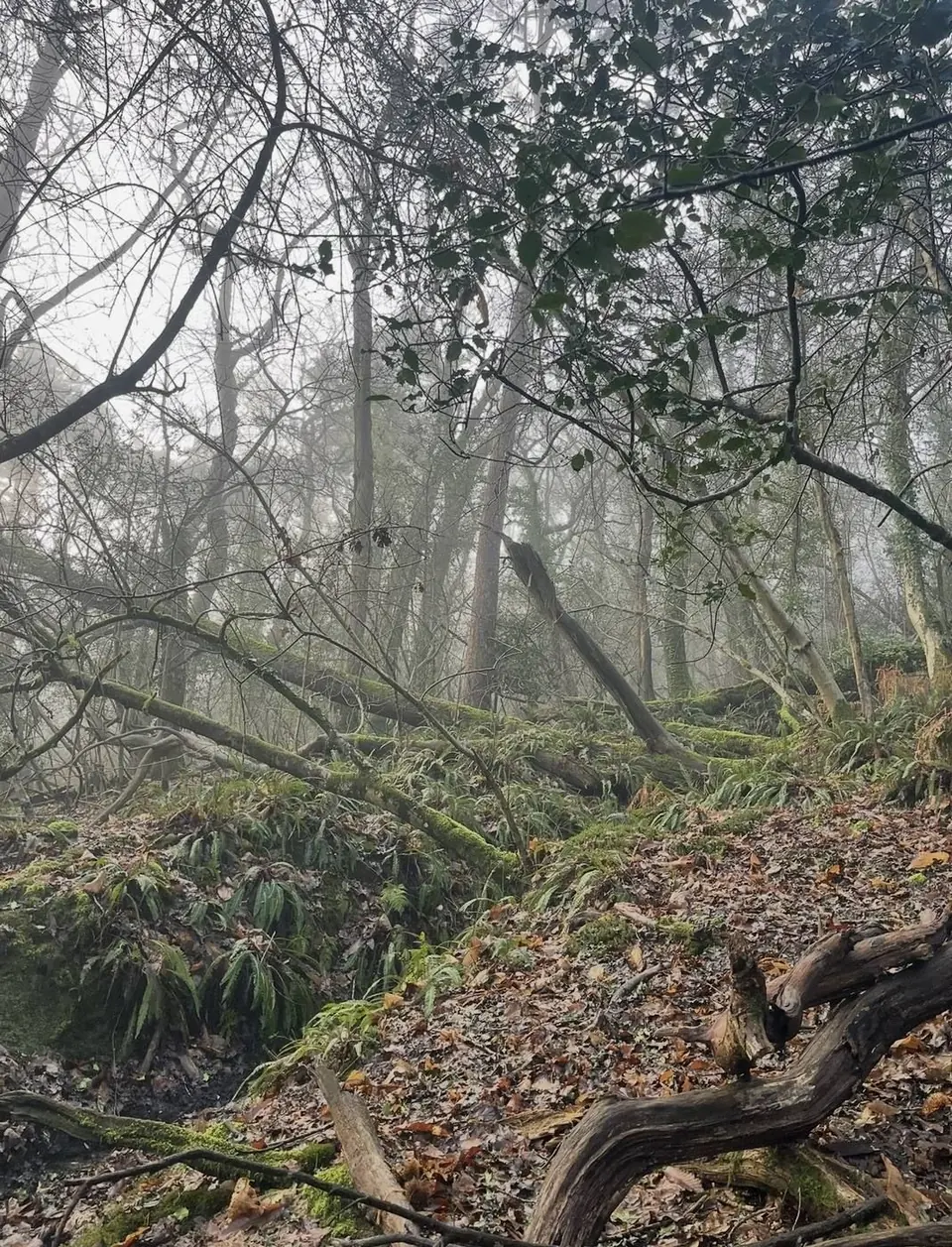
Mist among fallen trees and holly in the wood

Looking after it

It looks lovely now. It won’t stay that way on its own.

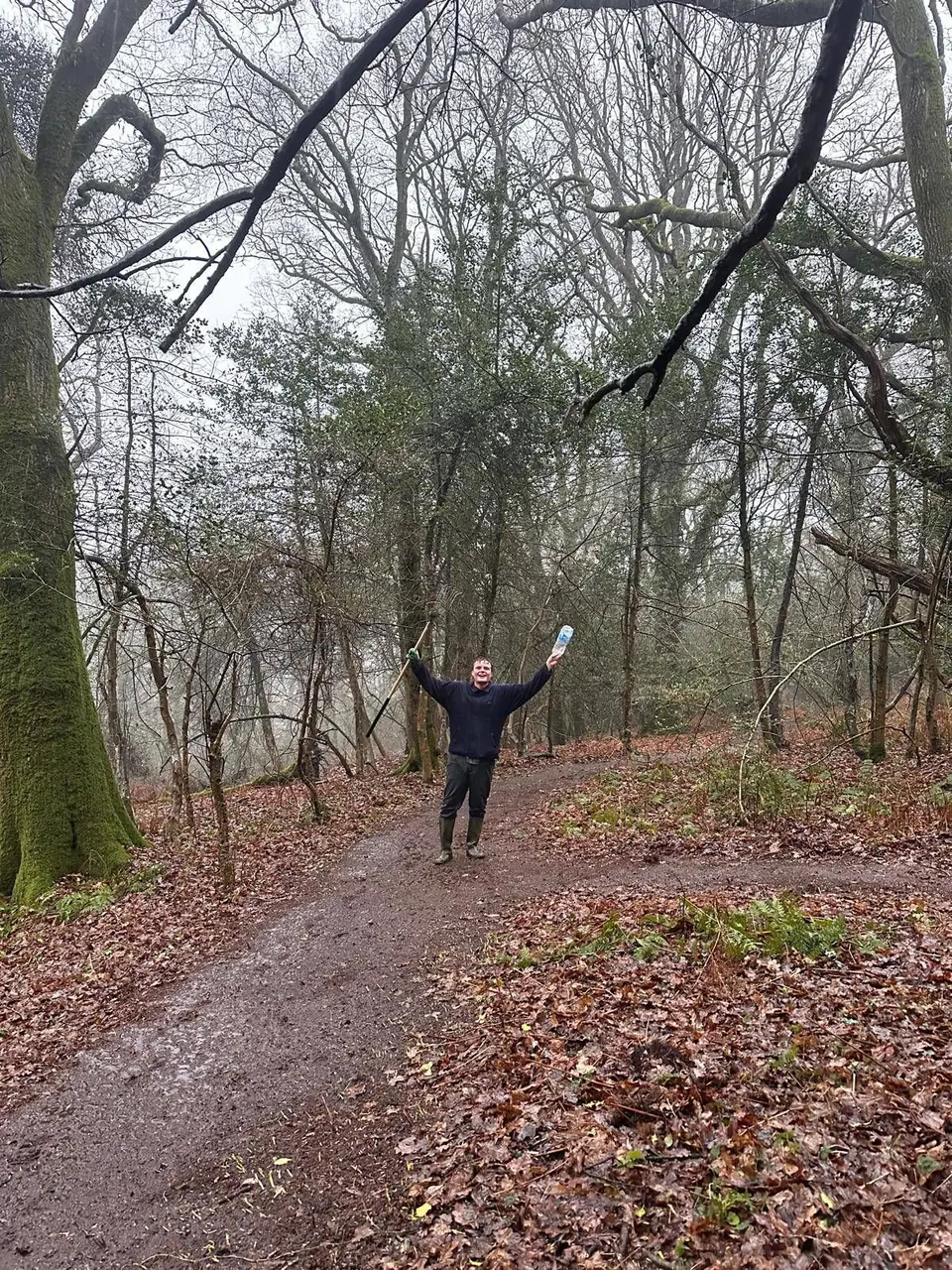
Ancient woodland needs looking after, and we see ourselves as its custodians for a while. We’re restoring Knapp Woods in five stages.

  1. 1
    Clearing invasive plantsBracken, rhododendron and Himalayan balsam smother the woodland floor and crowd out native plants.
  2. 2
    Managing deer and squirrelsRoe deer browse young trees and grey squirrels strip their bark, so we keep both in check.
  3. 3
    Thinning the holly and brackenDense holly blocks the light. Taking out around three-quarters of it lets light back onto the woodland floor.
  4. 4
    Opening the ridesWide, sunny paths through the wood, some of the richest places for flowers, butterflies and insects.
  5. 5
    Planting for the futureA wider mix of trees, chosen to suit the site.

Alongside that: making a home for the bats, sowing a wildflower meadow, protecting the veteran trees, and managing each part of the wood in its own way, including the temperate rainforest.

Woods for Children Trust

“Every child should know what a wood feels like.”

Knapp Woods is where we started Woods for Children Trust. The trust brings schools into ancient woodland, beginning with day visits for local primary schools, where children learn to read the wood and understand its trees, try woodland skills and crafts, and help restore it.

Its second aim is to buy woodland, restore it and look after it for future generations of children. We’re not against technology; we just think children need both.

Follow along

Every week I write a short letter from the garden and the woods at Knapp. Day to day, I share the wood on Instagram.